
Selling your home
Hand the buyer's solicitor the answers before they ask: what was done, when, and who signed it off - in one link. See how a property history report is built.
Give everything you own a permanent Vault ID and one private place for its documents and history - each document sealed the moment it is added and named to whoever issued it, ready to share with the people you choose, the day you need it.
Prove it.Protect it.Share it.Finance it - later, through regulated partners.
Free for owners. Homes are open in our pilot, Yorkshire first: in the pilot, a participating professional issues your home's Vault.
PV-GB-LDS-204871PV-GB-LDS-204871PV-GB-MAN-118402PV-GB-SOT-090317PV-GB-LON-552190PV-GB-EDI-071846Illustrative Vault IDs. Homes are live in pilot; other assets are launching or on our roadmap.
No forms to fill in twice, no folders to lose. Your proof lives in one place and stays with the thing you own.
Start with your home. In the Homes pilot, a participating professional creates its Vault. It gets its own Vault ID - a permanent reference that stays with it for life, whoever owns it next.
Your surveyor, engineer or builder adds the certificates and asset history for the work they did, sealed as it is added. Adding your own receipts comes with owner accounts - launching. As new assets open, your mechanic or dealer can add theirs too.
Selling or insuring? Send a secure, read-only link with the documents that person needs - and nothing else - for 7, 30 or 90 days.
Paperwork is usually needed on the day it is hardest to find. Your Vault has it ready.
Hand the buyer's solicitor the answers before they ask: what was done, when, and who signed it off - in one link. See how a property history report is built.
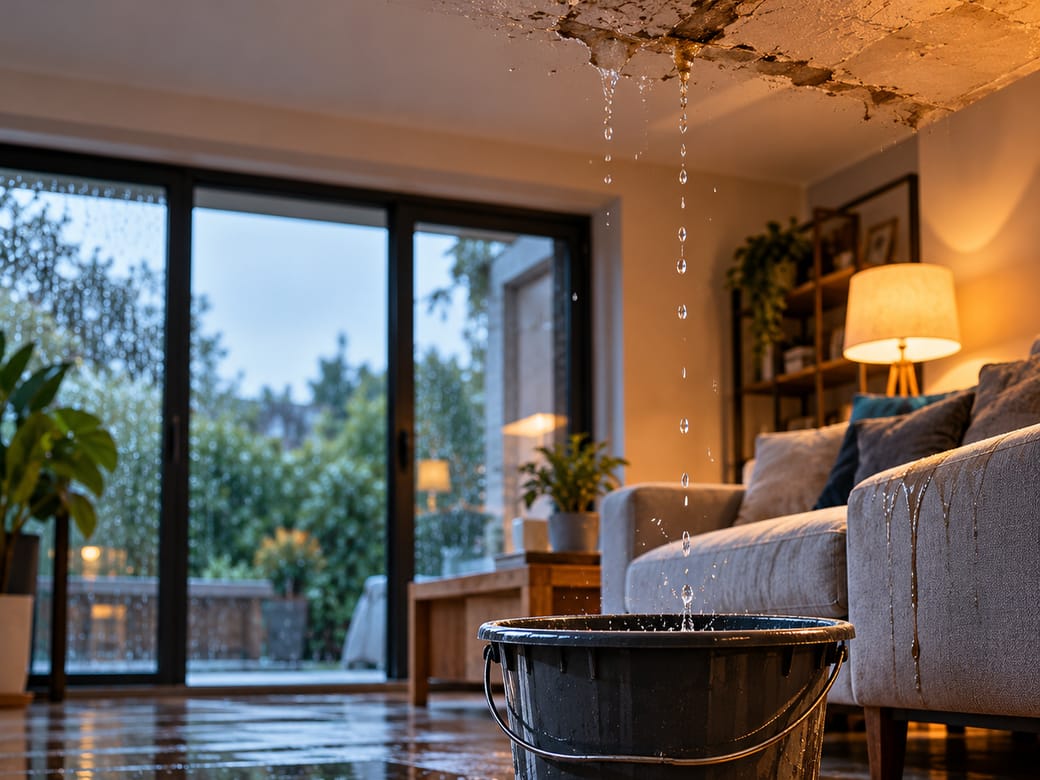
Show what you owned, its condition and its value - a home inventory for insurance, with documents sealed long before anything went wrong.

Buying a used car or a watch? Ask for the seller's Vault and see its verified provenance - and who checked it - not just a story and a receipt.
Launching then cars
Leave your family a clear record of what you own and where the proof is - not a drawer full of envelopes.
Property Vault doesn't inspect your home. It records who did - and a record from a qualified professional counts for more than an owner's own paperwork.
That is what your Vault Score measures. It is a verification score - whether the documents exist, who issued them and that they are unaltered since issue; never a valuation, a credit input or a judgement of the work.
Founding professional in the Homes pilot: Paddick Engineering, a structural engineering firm in Leeds. Its designs, calculations and drawings go onto homeowners' Vaults, sealed the moment they are added.
Every document carries a tamper-evident seal from the moment it is added.
A digital vault for important documents should be private. Nothing in yours is public - you decide who sees what, and for how long.
Each link is read-only and made for one job - a buyer, an insurer, a solicitor. They see that part, and nothing else.
Every link has an end date, and opens are logged. A view for owners of who looked, and when, is launching.
The moment a document is added it gets a tamper-evident digital seal. If anyone alters it later, it shows. Originals are kept; corrections become new versions.
We never sell personal data or look through what's in your Vault to profile you. Your records are yours.
One kind of record for the things that matter most to you - opening one type of asset at a time, with the experts who know each one.
Extensions, rewires, boilers, roofs - every job and the certificate that proves it. Open now, Yorkshire first.

Box, papers, services and every owner, in one record that travels with the piece when you sell it.
Service history, MOTs, repairs and owners - kept by the car, not lost in a glovebox.

Surveys, refits and paperwork for the water, in the same simple record.
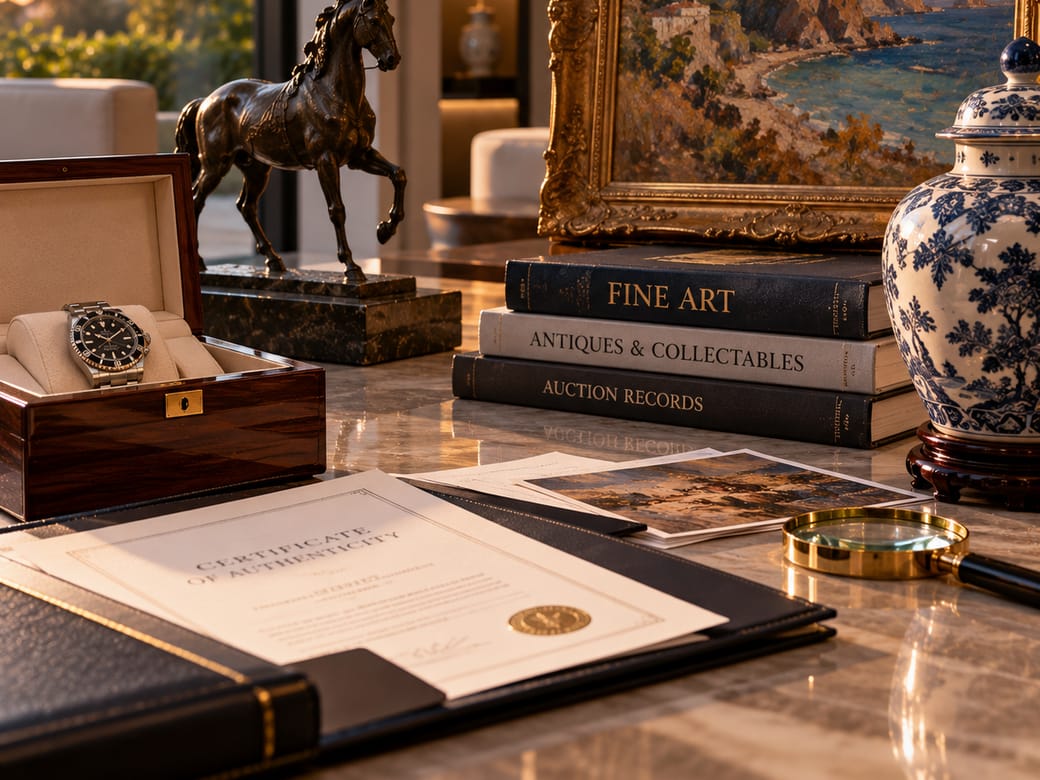
Where a piece came from and who has owned it, kept with the piece for the next owner.

Whisky and wine, aircraft, land and more. Tell us what you own and we'll let you know when it opens.
Surveyors, engineers, agents, solicitors, insurers and dealers use Property Vault Pro to add checked records for the people they work for - and to read the ones they need.
Homes - a working app, open in Yorkshire first.
Watches, jewellery, cars and more - opening one at a time.
Borrowing and shared ownership - later, only through regulated partners.
Different things, for different assets - and most of it lives in drawers, inboxes and glove boxes. Your Vault is the personal asset register that keeps it together.
The registered title, the certificates for every job - extension, rewire, boiler, roof - and the surveys and valuations that go with it. Live in pilot.
The receipt, warranty card, box and papers, and every service - the ownership record a buyer or insurer asks for first. Launching next.
The purchase invoice alongside the V5C - which names the keeper, not the owner - plus MOTs, services and repairs. Launching.
The bill of sale, exhibition and auction records and condition reports: the chain of owners that gives a piece its provenance. Launching.
The documents that show a thing is yours and where it came from: for a home, the registered title and the certificates for work done on it; for a car, the purchase invoice alongside the V5C, which names the keeper rather than the owner; for a watch, the receipt, warranty card and service records. Property Vault keeps that proof of ownership in one Vault, seals each document when it is added and records who confirmed it. Property Vault keeps the evidence and shows who issued it. It does not decide who owns what - the statutory register does, such as HM Land Registry for a home - and it never values an asset or judges the work.
Yes, for owners. In the Homes pilot your home's Vault is issued by a participating professional at no cost to you, and sharing it costs nothing. Professionals and businesses pay for Property Vault Pro - see pricing.
No. The Vault Score is a verification score - whether the documents exist, who issued them and that they are unaltered since issue; never a valuation, a credit input or a judgement of the work. A high score means your record is well evidenced, nothing more. How the Vault Score works.
Not through Property Vault today. Later, we plan to let you share your record with regulated lenders when you apply for finance. The lender always decides; Property Vault never lends or approves lending. Finance and shared ownership come only through regulated partners, subject to regulatory approvals.
Homes, in our pilot, starting in Yorkshire. Watches and jewellery are next, then cars and motorbikes; Property Vault is also designed to support marine assets, art and more. Tell us what you own and we will let you know when it opens.
In the pilot, the professionals who did the work - your surveyor, engineer or builder - add their certificates and reports, sealed when they are added. Adding your own receipts and certificates comes with owner accounts, which are launching. Records from qualified professionals always count for more than an owner's own uploads.
Free for owners. Homes are open in our pilot, Yorkshire first: request a Vault ID for your home, or register interest for everything else you own - and keep its story, and its proof of ownership, in one place for good.